
How To Create a Balance Sheet: A Step-by-Step Guide

Excel allows you to save your file in multiple formats, such as .xlsx or .csv, depending on your needs. Consider saving a backup copy as well, just in case something happens to your original file. Creating a balance sheet in Excel can feel a bit like learning a new dance. There’s a rhythm to it once you get started, and while the steps might seem complicated at first, they quickly become second nature. If you’ve been wondering how to leverage AI to make this process smoother, you’ve come to the right place.
- Calculate the total value of assets and liabilities, then subtract liabilities from assets to find owner’s equity.
- For larger companies, they may even have the report on their website.
- Shareholders’ equity reflects how much a company has left after paying its liabilities.
- The entire point of generating these statements is for distribution.
- A balance sheet covers a company’s assets as defined by its liabilities and shareholder equity.
Do you already work with a financial advisor?

Setting the right foundation from the start will make the process easier as you move forward. Smartsheet provides a better way to unify collaboration and automate workflows so you can spend more time on the work that matters. Calculate Gross ProfitSubtract the total COGS from the total gross revenue retained earnings balance sheet to calculate your gross profit.
- You can use this report to see how your business is doing overall and whether it has enough cash to cover its expenses.
- Arjun has since written for investment firms, consultants, and SaaS brands in the Accounting and Finance space.
- Shareholder equity or Owner’s equity is the difference between a company’s assets and liabilities.
- It is crucial to remember that some ratios will require information from more than one financial statement, such as from the income statement and the balance sheet.
- Assets are everything that a business owns and can use to pay its debts.
- Organize this information into the standard balance sheet format, ensuring accuracy in calculations.
What are Assets?

While most companies prepare their balance sheet when closing their books each month, quarter, or year, you can choose to prepare a balance sheet any time you want to conduct analysis. Essentially, it reflects the net worth of the company from the shareholders’ perspective, often used to assess the financial health and investment potential of the business. Making a balance sheet involves categorizing all accounts with a debit or credit balance and presenting those categories in a predefined format. Here’s how to make a balance sheet—for you weirdos who refuse to use accounting software like everyone else. After a stint in equity research, he switched to writing for B2B brands full-time.
Bank Statement
Here we are going to share how to prepare a balance sheet section regarding accounts of your Assets. An asset is a property or anything that the company owns that has some quantifiable value, which means it can be turned into liquid cash. This means that the report date is the last day of the quarterly period. For example, if you choose to report during the first quarter, your report date is March 31st.

- It is a critical indicator of financial health and can be useful for potential investors, lenders, and internal decision-making within your company.
- For example, if you’re about to acquire a company, you’ll need an updated balance sheet to understand how the acquisition will impact you in the immediate term.
- If you want to know where your business’s money is really coming and going, you’ll want to learn how to make a balance sheet.
- Repeat this process for each category to ensure all totals are accurate.
- A balance sheet is a comprehensive financial statement that gives a snapshot of a company’s financial standing at a particular moment.
- Current liabilities refer to debts or financial obligations that must be settled within a year.
- The owner can use the percentage difference to forecast how much more they will make during the second quarter of the following year.
To do this, you’ll need to add liabilities and shareholders’ equity together. Balance sheet reconciliation is a complex process that gives the Office of the CFO the numbers they need for month-end close and important Coffee Shop Accounting financial statements. But there’s an easy way to eliminate the majority of the manual work involved while simplifying the entire process. It centralizes all the data you need to reconcile, automates most of the work, and gives you the insights you need to prevent errors in the future.
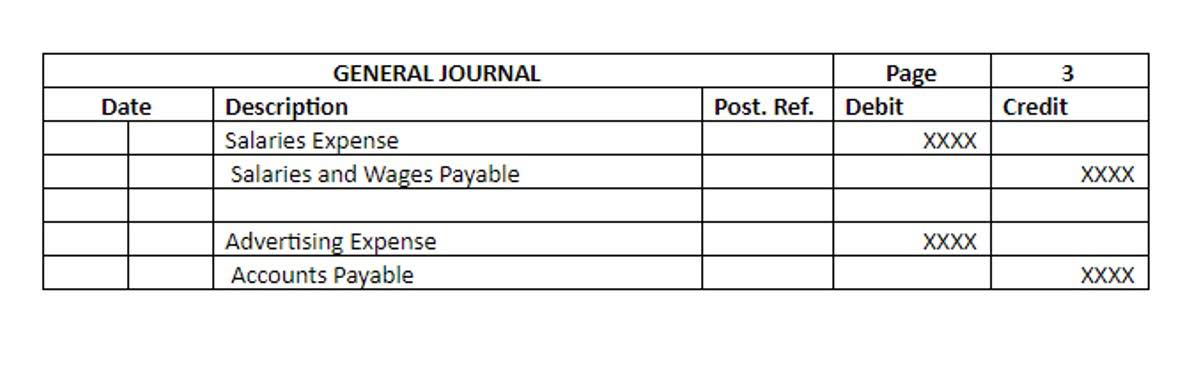
How To Make A Balance Sheet For A Small Business: A Step-by-Step Guide To Create A Balance Sheet
They’re important to include, but they can’t immediately be converted into liquid capital. This example provides a clear snapshot of the company’s financial health at the end of the fiscal year, highlighting its assets against its liabilities and equity. how to make a balance sheet A company’s balance sheet is one of the most important financial statements it produces—typically on a quarterly or even monthly basis (depending on the frequency of reporting). Understanding the balance sheet helps business owners see what they own, what they owe, and how much the business is worth. It allows them to make wiser decisions about spending, saving, and planning for the future. Even though the balance sheet process may seem complex, learning about it can help business owners manage their finances more effectively and steer their company toward success.
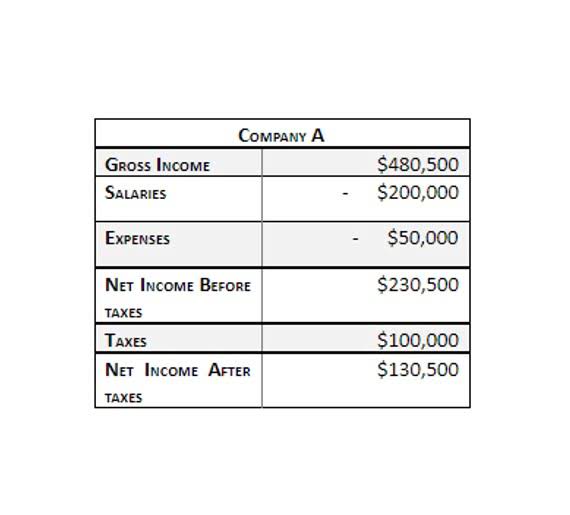
Step 1 of 3
Building a balance sheet is an important practice that must be conducted on either a quarterly or monthly basis. This financial statement provides a snapshot of a company’s financial position at a given moment. It’s key to tracking your business’s financial health, securing loans, and making informed decisions. It helps identify cash flow trends, assess short-term and long-term debt levels, and measure overall stability. Liabilities are obligations a company must settle, typically through asset transfers or services. On a common size balance sheet, liabilities are shown as a percentage of total assets, offering a view of financial leverage and risk.